



.svg)


.svg)
ADU Designs That Actually Work for West LA Properties
Here's what happens when you start planning an ADU: You spend hours scrolling through stunning images of light-filled modern units with soaring ceilings and floor-to-ceiling windows. You fall in love with a design. Then a contractor looks at your property and explains why that beautiful 800-square-foot unit you're imagining won't actually fit on your lot.
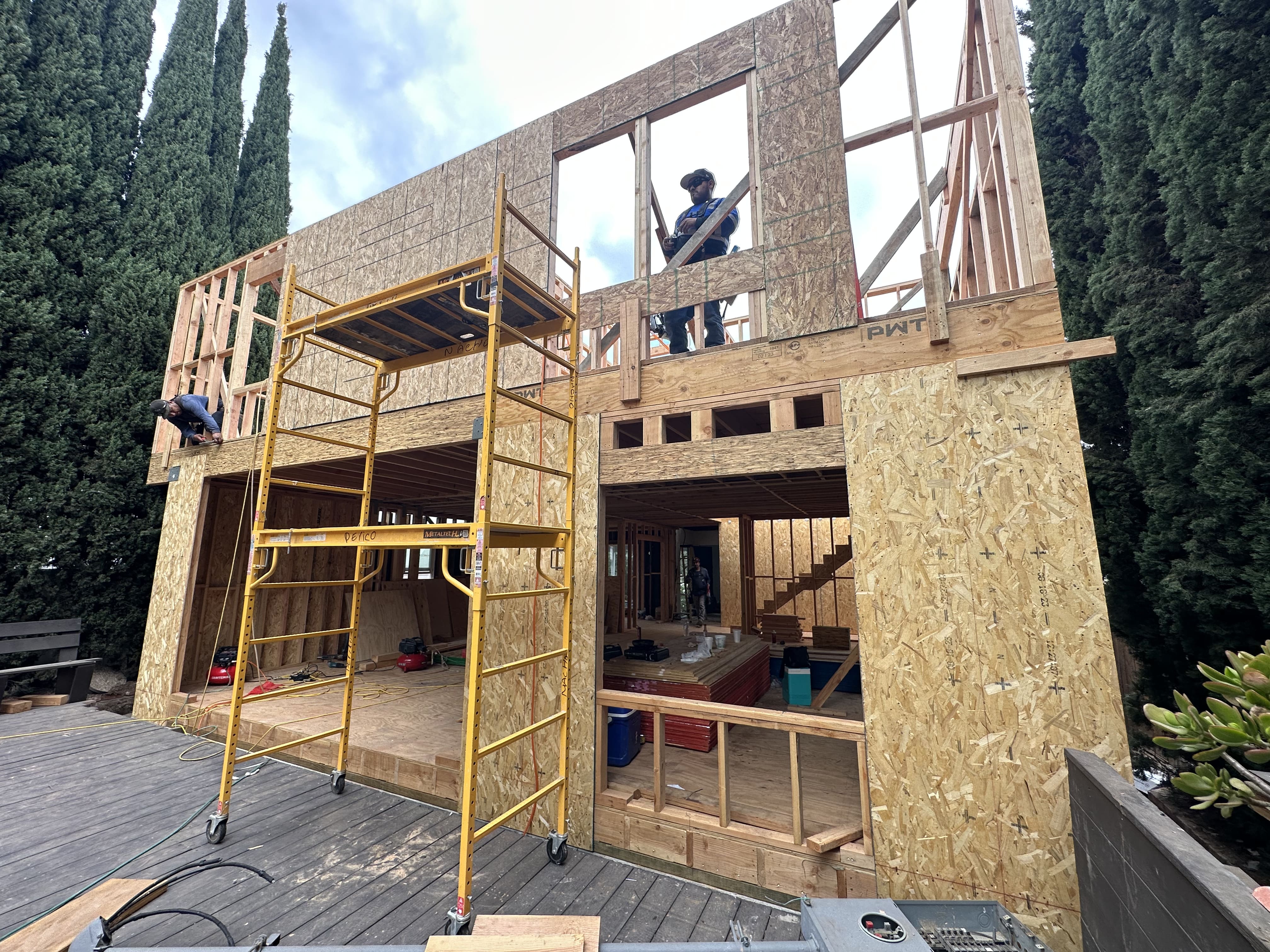
Here's what happens when you start planning an ADU: You spend hours scrolling through stunning images of light-filled modern units with soaring ceilings and floor-to-ceiling windows. You fall in love with a design. Then a general contractor in Redondo Beach looks at your property and explains why that beautiful 800-square-foot unit you're imagining won't actually fit on your lot.
This scenario plays out constantly across West LA. The gap between ADU inspiration and ADU reality catches most homeowners off guard, usually after they've already invested significant time and money into plans that don't work for their specific property.
The challenge isn't finding beautiful ADU designs — Pinterest and Instagram overflow with them. The challenge is determining which approaches actually make sense for your lot, your budget, and your goals. Because that distinction matters enormously when you're investing $200,000-$350,000 in additional living space.
Start With Your Actual Property, Not Dream Designs
Every successful ADU project begins with an honest assessment of what your property can actually accommodate. This conversation involves setbacks, utility locations, parking requirements, and existing structures — technical details that aren't glamorous but determine what's possible.
West LA properties vary dramatically, even within the same neighborhood. Your specific lot dimensions, topography, utility placements, and mature landscaping create unique constraints that matter more than design preferences when determining what's actually doable.
The Size Question Everyone Gets Wrong
ADU designs cluster around certain sizes for practical reasons, not arbitrary ones. Understanding these sweet spots prevents wasting money on unnecessary space or creating units that feel cramped no matter how clever the layout.
Below 500 square feet, you're making tough compromises. Can you fit a real kitchen or just a kitchenette? Is there actual bedroom separation or just a sleeping alcove? These tiny units work well for single occupants but struggle in rental markets where people expect defined bedroom space and adequate storage.
The 600-850 square foot range hits the sweet spot for most LA properties. You get genuine bedroom separation, a full kitchen, decent storage, and strong rental appeal — all within a footprint that fits most West LA lots at reasonable costs.
Above 1,000 square feet, you're essentially building a small house. The total cost will climb, but cost-per-foot will come down. That extra space can command proportionally higher rent, but most lots can't accommodate larger footprints without sacrificing outdoor space.
Layout Strategies That Make Small Spaces Work
Open floor plans dominate ADU designs, but not all openness works equally well. The difference between smart open layouts and just removing walls matters enormously.
Good compact layouts create clear zones without needing walls everywhere. Kitchen placement defines the cooking area. Furniture arrangement suggests the living space. Strategic built-ins or partial walls separate the bedroom without making small spaces feel chopped up.
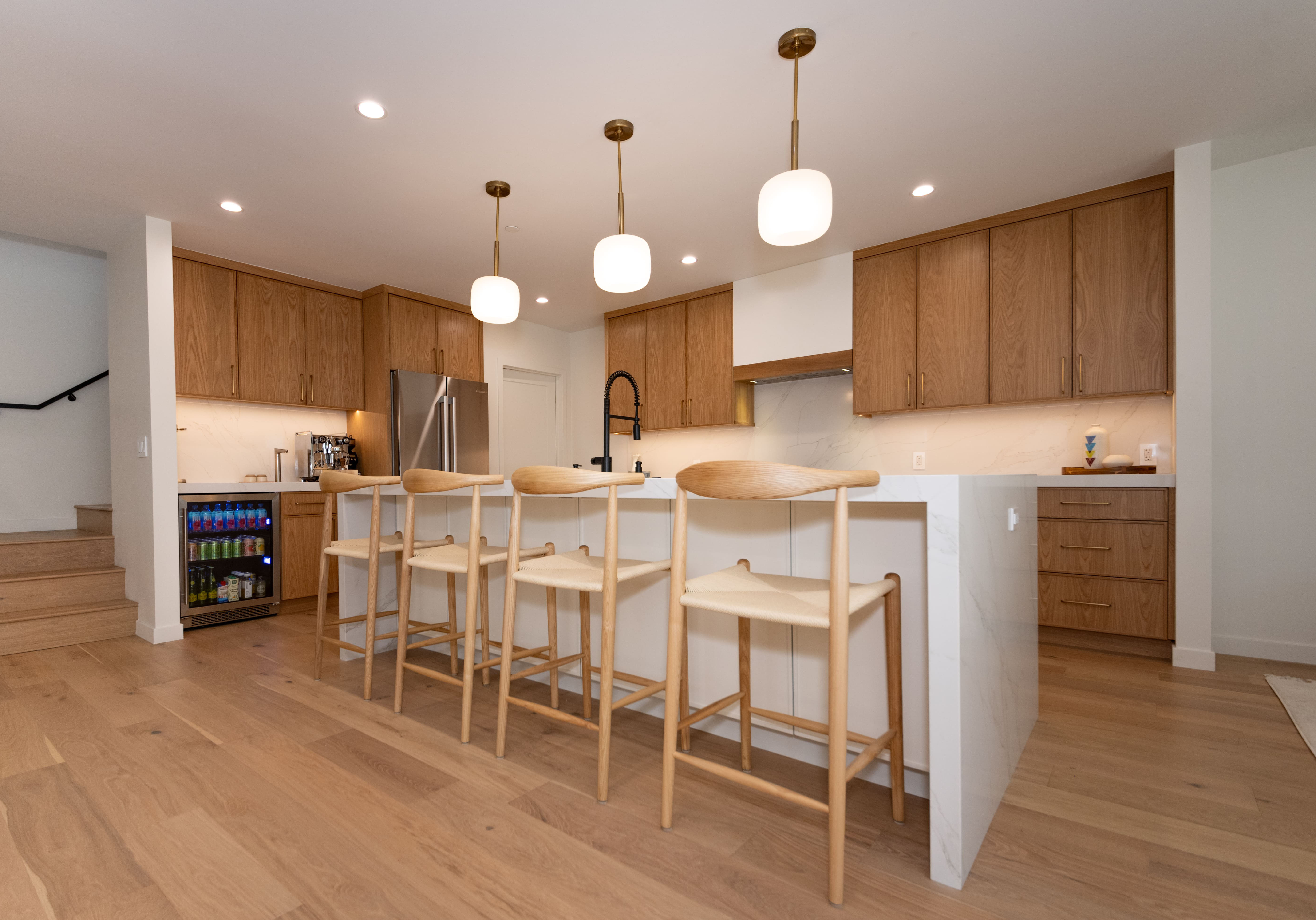
Kitchen location particularly impacts whether open concepts succeed. Place the kitchen along the entry wall of a studio-styled ADU, and cooking stays separate from living and sleeping areas despite open planning. Put it in the center — that dramatic island situation popular in magazines — and every cooking smell and sound fills the entire unit. This matters hugely for rentals where tenants expect real separation between where they cook and where they sleep.
Bathrooms deserve smarter thinking than they typically get. Most designs stick them wherever they fit. Better positioning places bathrooms between the living area and bedroom, creating a natural space for users in either room, while potentially minimizing plumbing runs. When Two Stories Make Sense (And When They Don't)
Two-story designs excel on tight lots where spreading out isn't possible. Building up preserves yard space while achieving adequate square footage. Costs per square foot typically run less than single-story builds since you're getting double use from the foundation and roof.
But those savings shrink when you factor in stairs. Stairways can consume 42-55 square feet per floor — substantial space in compact units — while creating accessibility challenges and complicating furniture moves. A two-story 780-square-foot unit really delivers maybe 680-710 square feet of usable space once you subtract stairs.
Upper-level living offers privacy advantages, sitting above typical fence heights and neighbor sight lines. But this elevation complicates things like servicing rooftop HVAC units and requires more extensive structural engineering for earthquake resistance. However, building up can unlock previously unrealized panoramic views!
The Truth About Prefab ADUs
Prefabricated ADUs promise efficiency, predictable costs, and fast timelines. Marketing shows sleek units installed in days with transparent pricing that seems refreshingly straightforward.
Then you look at the fine print. That $155,000 "turnkey" price excludes site prep ($17,000-$28,000), foundation ($24,000-$35,000), utility connections ($18,000-$33,000), permits ($4,000-$9,000), and modifications if your property can't accommodate crane delivery. Suddenly your $155,000 prefab costs $235,000-$285,000 installed — approaching or exceeding good custom alternatives.
Prefab solutions also require adapting to your specific site. Your lot's dimensions and conditions rarely match what prefab manufacturers assume. Those modifications — foundation adjustments, utility relocations, engineering changes — add costs while potentially eliminating the promised timeline advantages.
Custom designs developed specifically for your property often deliver better value despite appearing more expensive initially. You're paying for solutions optimized for your actual situation rather than adapting generic products.
What Actually Matters for Rentals
If rental income drives your ADU decision, certain design elements significantly impact both rental rates and how quickly you find tenants. West LA rental markets reward thoughtful details that many architecturally focused designs overlook.
Storage matters more than architects want to admit. Built-in closets, kitchen pantries, linen storage, and organizational systems consistently rank among renters' highest priorities. Yet storage often gets sacrificed for minimal aesthetics. Dedicating 9-11% of floor area to real storage — not just shallow closets — pays substantial dividends in rental appeal and achievable rates.
Natural light matters, but not all light is equal. North-facing windows provide consistent illumination without heat buildup. East-facing glass captures morning light. South and west exposures flood spaces with afternoon sun that requires expensive shading or makes units uncomfortably warm. Many designs prioritize maximum windows without considering direction — beautiful in photos, challenging to live in.
Outdoor access transforms rental desirability. Ground-floor patios, balconies, or small yard areas substantially increase perceived value and justify higher rents. Money spent on a 65-square-foot balcony often generates more rental income than equivalent investment in premium interior finishes.
What ADUs Actually Cost
LA ADU construction typically runs $265-$385 per square foot, depending on size, design complexity, finishes, and site conditions. This reality often shocks homeowners who developed preliminary budgets based on optimistic internet research—something a general contractor in Torrance, CA regularly sees when clients first begin planning.
For a 680-square-foot ADU, realistic construction costs range $180,000-$230,000 before design, engineering, permits, and inspections add another $28,000-$45,000. Total investment: $208,000-$275,000.
These numbers surprise property owners who imagined $135,000-$165,000 would suffice. The gap comes from underestimating LA construction realities — skilled labor costs, permit complexity, strict code requirements, and site-specific challenges all drive expenses beyond simple square footage calculations.
Smart designs acknowledge budget realities during planning rather than discovering limitations during construction in Torrance, CA Straightforward rectangular footprints, standard ceiling heights, readily available materials, and conventional systems deliver functional, attractive units within realistic budgets. Complex geometries and architectural drama add substantial costs without proportional benefits.
Making the Right Decision
Choosing the right ADU design requires honest evaluation of your actual priorities within real constraints. The most successful projects start with clear goals — rental income? family housing? property value? — then work backward to designs serving those purposes rather than pursuing architectural statements disconnected from practical objectives.
This is where guidance from a residential construction company in Mar Vista and West Los Angeles becomes essential, since your lot's specific conditions matter more than design trends. A 420-square-foot custom unit optimized for your property typically functions better than an 850-square-foot design requiring expensive site modifications to accommodate a generic solution.
The most valuable ADU is one you can actually build, comfortably finance, and use as intended long-term. Starting from that truth — rather than inspiration images created for different properties and budgets — dramatically improves your odds of creating space you'll genuinely love.

We're a Call Away.
We’re always happy to soundboard ideas, answer questions, and get the ball rolling, free of any obligations.


Licensed Premium Contractors • Fully Bonded & Insured • Serving West LA's Finest Properties