



.svg)


.svg)
What Does a General Contractor Actually Do During a Remodel?
You're standing in your outdated kitchen, imagining the space it could become. You've saved up, scrolled through countless design inspiration, and you're ready to start. But here's where things get real: who's going to turn those plans into reality?
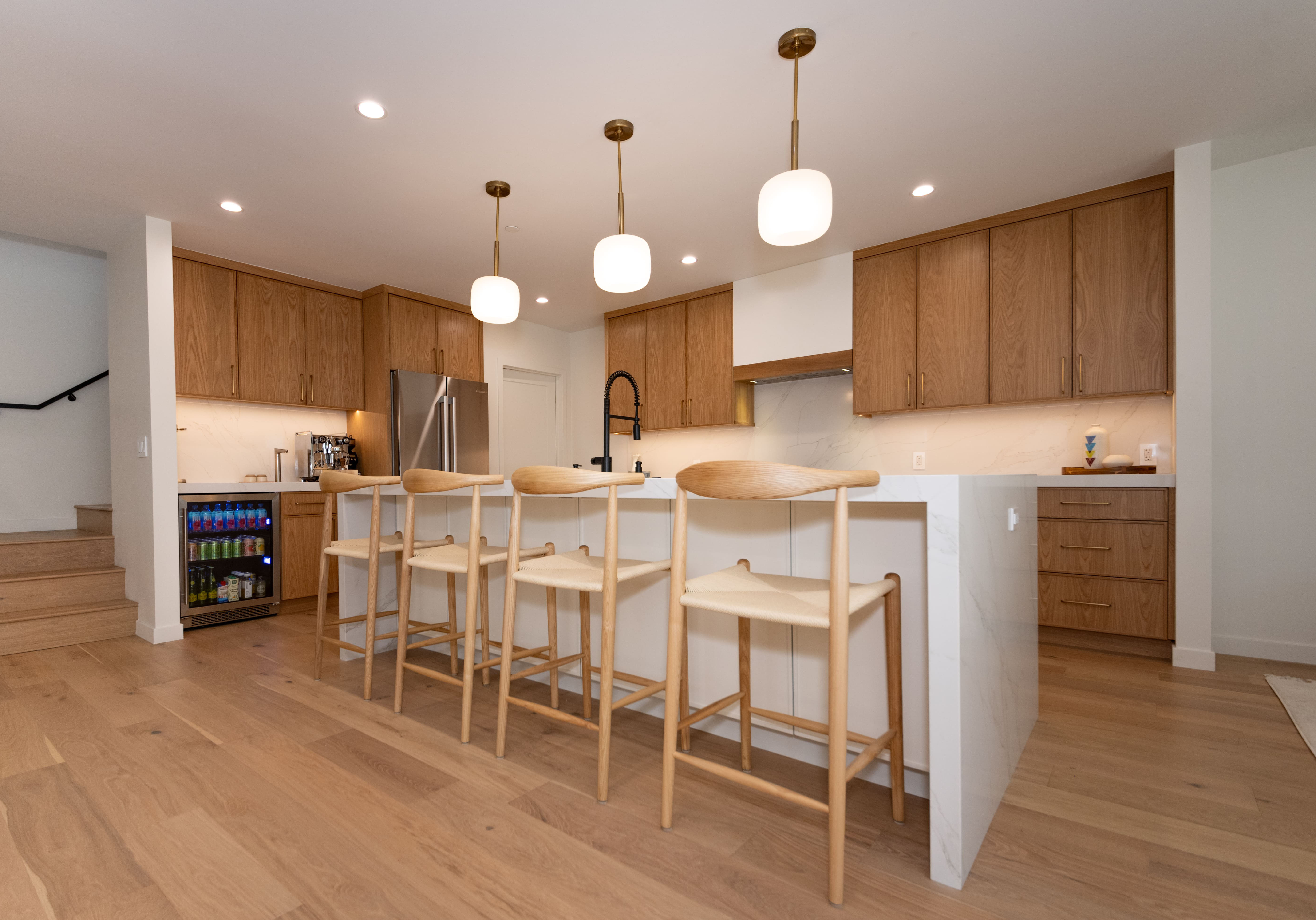
You're standing in your outdated kitchen, imagining the space it could become. You've saved up, scrolled through countless design inspiration, and you're ready to start. But here's where things get real: who's going to turn those plans into reality?
That's where a general contractor in Mar Vista steps in. But what do they actually do all day? If you're picturing someone who just shows up occasionally to check progress, think again. The role is far more hands-on than most homeowners realize, and understanding it can mean the difference between a smooth remodel and months of frustration.
Let's break down what really happens when you hire a general contractor for your home remodel.
Your Project Manager from Start to Finish
Think of a construction contractor in Manhattan Beach as the conductor of an orchestra. Every musician (or in this case, subcontractor) has their part to play, but without someone coordinating the timing, rhythm, and quality, you'd end up with chaos instead of a beautiful symphony.
A general contractor handles the big picture and the tiny details. They're not just supervising—they're actively managing every phase of your remodel, from the first permit application to the final walkthrough. For projects like general contractor services including kitchen remodels, bathroom updates, or home additions, this coordination becomes even more critical.
Here's something worth noting: according to the 2026 Houzz Kitchen Trends Study, general contractors are hired in 48% of major kitchen remodels. That number jumps to 60% when budgets exceed $50,000. There's a reason homeowners invest in professional oversight—it works.
Before the First Hammer Swings: Planning and Permits
The pre-construction phase is where many DIY projects fall apart. This is when a general contractor proves their worth, often before you see any visible progress.
Getting permits approved is one of the most time-consuming parts of any remodel. In Los Angeles and surrounding areas like Culver City, Venice, and Manhattan Beach, the Department of Building and Safety (LADBS) requires approvals for structural changes, electrical work, plumbing updates, and additions.
Here's what typically happens:
- Simple permits: instant (over the counter)
- Full kitchen or bathroom remodels take 2-6 weeks
- Home additions or garage conversions (ADUs) can extend to 2-6+ months
A general contractor knows exactly which permits you need and how to navigate the approval process. They also understand California-specific requirements, like seismic codes that affect projects throughout LA County.
Material sourcing starts early too. Rather than scrambling when it's time to install, contractors order materials weeks in advance. This prevents those frustrating delays where work stops because the right tile or cabinet hasn't arrived.
They're also assembling your team of licensed subcontractors during this phase. Plumbers, electricians, carpenters, painters—each one vetted and scheduled to avoid conflicts.
The Heart of the Project: Daily On-Site Management
This is where you'll see the most value from your general contractor. Once work begins, they're not sitting in an office somewhere. They're at your house, often daily, making sure everything moves forward smoothly.
Coordinating Multiple Trades
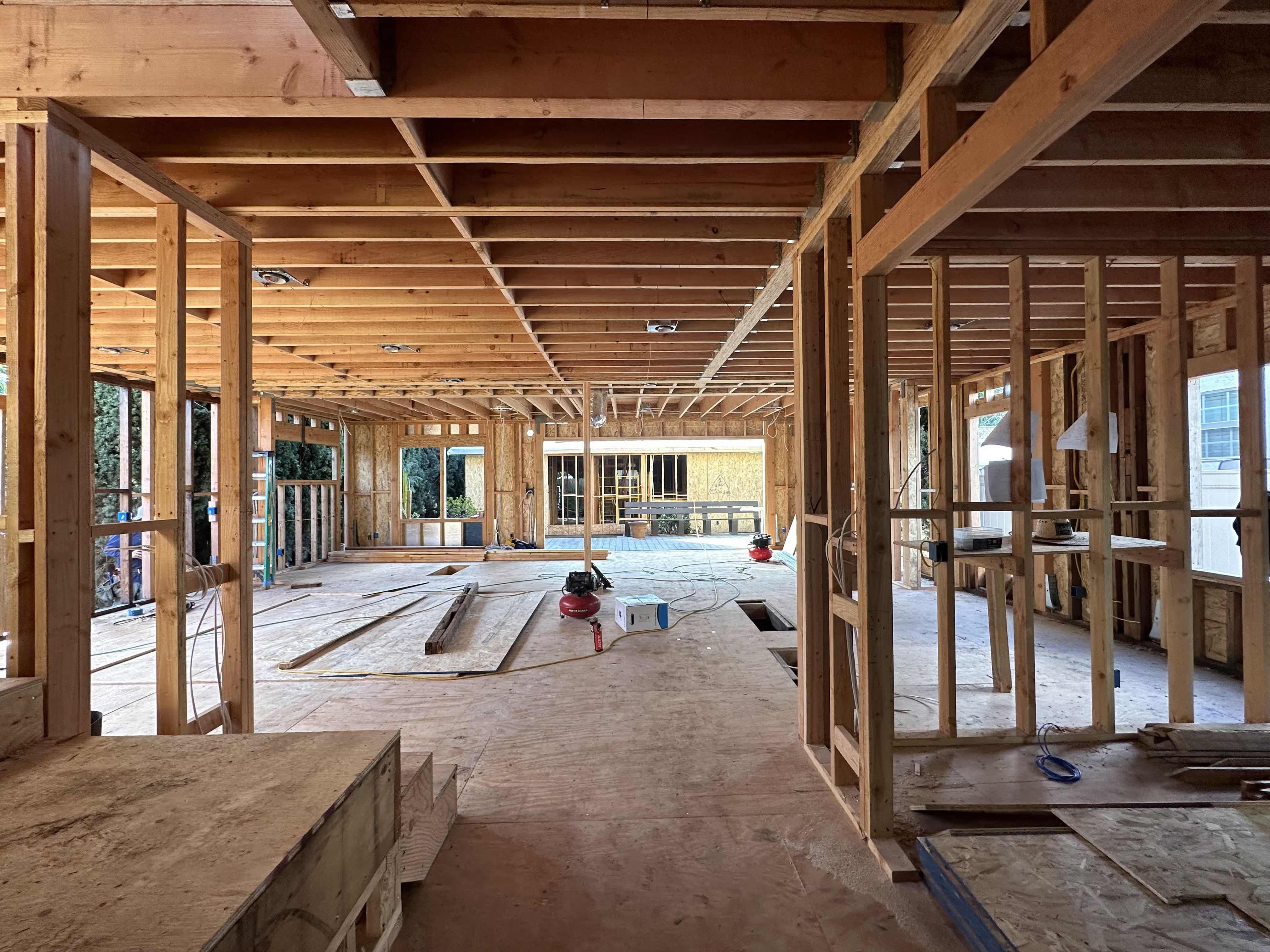
Your electrician can't run wiring through walls that haven't been framed yet. Your painter can't start until the drywall is finished. Your flooring installer needs the plumbing complete before they lay tile.
A general contractor sequences these trades so no one's waiting around (costing you money) and no work gets done out of order (causing costly redos). They're constantly communicating with subcontractors, adjusting schedules when weather delays a delivery or an inspection takes longer than expected.
Quality Control That Protects Your Investment
Here's what many homeowners don't realize: not all contractors do work to the same standard. A general contractor inspects work as it's completed, catching issues before they become expensive problems.
Are the studs properly spaced? Is the electrical up to code? Does the tile alignment match your design? These checks happen continuously throughout your project.
They also coordinate mandatory city inspections. In Los Angeles, you'll need inspections at various stages—rough framing, electrical, plumbing, final. Your general contractor schedules these, ensures the site is ready, and addresses any issues inspectors identify.
Handling Changes and Surprises
Remodels rarely go exactly as planned. You might discover outdated wiring that needs replacement. You might decide to add a window after seeing the space framed out. Materials might arrive in a slightly different shade than expected.
General contractors document these changes through change orders, provide updated cost estimates, and adjust schedules accordingly. This transparency prevents the budget creep that sinks many remodels.
Keeping Your Home Safe and Compliant
Building codes exist for good reasons—your safety and your home's structural integrity. California has particularly strict requirements, including seismic standards throughout Los Angeles and surrounding communities like Torrance, Palos Verdes Estates, and Hermosa Beach.
That’s why working with a professional offering general contractor services in West Los Angeles ensures every aspect of your remodel meets these codes while maintaining a safe, well-managed job site—especially important if you're living in your home during construction.
Incorporating What You Actually Want in 2026
Homeowner priorities have shifted. According to recent Houzz predictions, 2026 remodels focus on functionality, character, and sustainability. Here's what's trending:
- Dark, rich wood tones like walnut and mahogany for cabinets and ceilings
- Hidden storage solutions including concealed pantries and seamless cabinetry
- Aging-in-place features like nonslip flooring and pullout shelves (now in 53% of kitchen remodels)
- Sustainable upgrades such as energy-efficient appliances and better insulation
Your general contractor in Redondo Beach, CA helps you incorporate these elements thoughtfully. Wood cabinets have jumped to 29% of kitchen installations in 2026, up significantly from previous years. Homeowners want that warmth and character, but it requires proper installation and finishing.
Built-in functionality matters too. The 2026 Houzz Study shows pantries in 47% of kitchens and dedicated coffee stations becoming standard. These aren't afterthoughts—they require planning during the design phase and careful execution during construction.
For garage conversions into ADUs, which continue rising in popularity due to California's supportive state laws, general contractors navigate the specific requirements that differ from standard additions. The California Department of Housing and Community Development even scheduled a webinar for January 30, 2026, highlighting latest ADU provisions—a sign of how active this market remains.
The Final Stretch: Ensuring Everything's Perfect
As your project nears completion, a general contractor shifts focus to finishing details and final approvals.
The punch list walkthrough identifies any minor issues—a paint touch-up here, a slightly misaligned cabinet door there. These get resolved before you make the final payment.
Final inspections from the city ensure everything meets code. Your general contractor coordinates these, addresses any last-minute concerns, and secures the sign-off that officially closes out your permits.
They also provide documentation: warranties for materials and workmanship, copies of permits and inspection reports, care instructions for new materials. This paperwork matters if you ever sell your home or need warranty service down the road.
Why Professional Management Reduces Stress
Industry data consistently shows better outcomes when general contractors manage remodels. Here's why that matters for you:
Projects stay closer to budget. Without coordinated oversight, delays from missed permits, scheduling conflicts, or quality issues add costs quickly. General contractors prevent these issues or address them efficiently when they arise.
Timelines become more predictable. While surprises still happen, experienced contractors build realistic schedules and communicate changes proactively. You're not left wondering when you'll have a working kitchen again.
Quality improves. Daily oversight and multiple inspection points catch problems early. The finished product reflects the quality you paid for, not corner-cutting to make up time.
For homeowners in West Los Angeles, Mar Vista, Marina Del Rey, Playa Vista, Manhattan Beach, Redondo Beach, and throughout the South Bay, the complexity of local codes makes this professional oversight particularly valuable. LA's seismic requirements and LADBS permitting add layers that trip up less experienced contractors.
Common Questions Homeowners Ask
How involved is a general contractor in material selection?
They typically guide you toward quality materials within your budget, leverage their supplier relationships for better access, and flag any selections that might cause installation issues. The final aesthetic choices remain yours.
What happens if work doesn't meet my expectations?
A good general contractor addresses concerns immediately. They'll review the work with you, consult with the relevant subcontractor, and develop a resolution plan. This is documented to keep everyone accountable.
Do I need to be home during the remodel?
Not constantly, but regular walkthroughs help. Your general contractor manages daily operations, but periodic check-ins let you see progress and address any questions that arise.
How do general contractors handle permits for ADUs specifically in Los Angeles?
ADU permitting involves reviewing local zoning for setbacks and lot coverage, submitting plans that meet state ADU laws and local codes, and coordinating inspections throughout construction. Timelines for ADU permits in LA typically run 2-6+ months depending on complexity. Your contractor handles the back-and-forth with the city so you don't have to.
What should I do if material deliveries are delayed?
Your general contractor tracks orders and communicates with suppliers. If delays occur, they adjust the work schedule to keep other trades productive and find alternatives when possible. This is one area where their industry connections really help.
Ready to Start Your Remodel with Confidence?
Understanding what a general contractor actually does helps you appreciate the value they bring to your project. At Benton Builders, we've guided several homeowners through kitchen remodels, bathroom updates, home additions, and garage conversions throughout Los Angeles and the South Bay communities.
The remodeling market shows steady growth into 2026, with spending projected to increase about 1-2% year-over-year according to Harvard's Joint Center for Housing Studies. Homeowners are investing in their spaces, driven by aging homes, functionality needs, and the desire to incorporate sustainable features.
If you're considering a remodel, now's the time to have a conversation with a licensed general contractor. We can review your plans, provide realistic timelines for your specific project and location, and explain how we'll keep your remodel on track from permit to completion.
Your home deserves the quality and attention that comes with professional management. Let's talk about how we can turn your vision into reality—without the stress that comes from managing it yourself.
Frequently Asked Questions
What's the typical timeline for a kitchen remodel in Los Angeles with permits?
Most kitchen remodels in LA take 2-6 weeks just for permit approval, then 6-12 weeks for actual construction depending on scope. Full renovations with structural changes extend toward the longer end. Simple cosmetic updates with no structural work often complete faster.
How much does hiring a general contractor typically add to a remodel budget?
General contractor fees generally run 10-20% of the total project cost, covering their management, oversight, and coordination services. This investment usually saves money by preventing delays, mistakes, and quality issues that cost more to fix later.
Can a general contractor help with design decisions, or do I need a separate designer?
Many general contractors offer design-build services, handling both design and construction under one contract. At Benton Builders, we provide this integrated approach for streamlined communication and accountability. For highly specialized aesthetic work, we can also collaborate with independent designers you've hired.
What credentials should I verify before hiring a general contractor in California?
Confirm if they hold an active California contractor's license (B-license for general building), carry current liability insurance and workers' compensation coverage, and can provide references from recent similar projects. Checking their license status through the California Contractors State License Board takes just minutes online.
How do general contractors manage costs when unexpected issues arise during demolition?
When surprises appear (outdated wiring, water damage, structural issues), your construction contractor in Torrance, CA assesses the problem, provides a detailed cost estimate for repairs, and documents everything through a change order. This written process protects both parties and keeps the budget transparent. Good contractors also include contingency amounts in initial budgets for these common discoveries.



We're a Call Away.
We’re always happy to soundboard ideas, answer questions, and get the ball rolling, free of any obligations.






Licensed Premium Contractors • Fully Bonded & Insured • Serving West LA's Finest Properties